
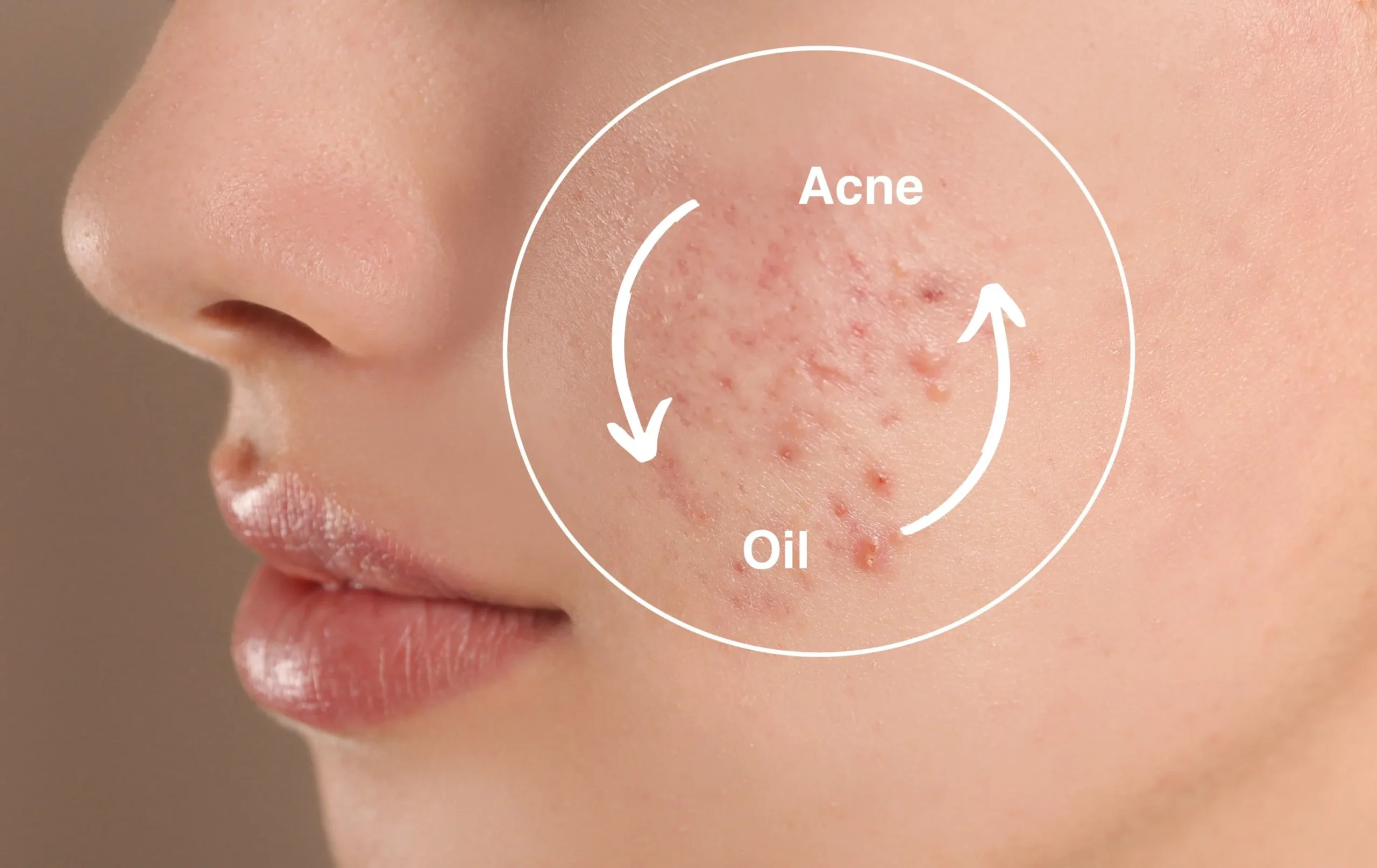
Does Oily Skin Cause Acne? Understanding the Connection and How to Prevent Breakouts
If you have oily skin, you’ve probably wondered whether the extra shine on your face is the reason you’re getting pimples. It’s a common question, and the answer isn’t as simple as “yes” or “no.”
Oily skin does not directly cause acne, but excess oil can create conditions that make acne more likely to develop. Acne usually forms when excess sebum (oil), dead skin cells, bacteria, and inflammation work together to clog hair follicles.
The good news is that having oily skin doesn’t mean you’re destined to struggle with acne forever. With the right skincare routine, healthy habits, and products suited to your skin type, you can reduce breakouts while keeping your skin balanced.
In this guide, we’ll explain how oily skin and acne are connected, why breakouts happen, common myths, and practical ways to care for oily, acne-prone skin.
What Is Oily Skin?
Oily skin occurs when the sebaceous glands produce more sebum than your skin needs.
Sebum is a natural oil that helps:
- Keep skin moisturized
- Protect the skin barrier
- Prevent excessive dryness
- Support healthy skin function
The problem begins when too much sebum combines with dead skin cells and other debris.
Signs of Oily Skin
- Shiny forehead, nose, and chin
- Enlarged pores
- Makeup fading quickly
- Frequent blackheads
- Greasy feeling by midday
Oily skin itself is not a disease—it is simply a skin type.
What Is Acne?
Acne is a skin condition that develops when hair follicles become blocked.
Several factors contribute to acne, including:
- Excess oil
- Dead skin cells
- Growth of acne-causing bacteria
- Inflammation
- Hormonal changes
Acne can appear on:
- Face
- Chest
- Back
- Shoulders
- Neck
Breakouts range from mild blackheads to more inflamed pimples and cysts.
Does Oily Skin Actually Cause Acne?
The short answer is:
Not by itself.
Oily skin increases the likelihood of clogged pores, but acne usually develops only when several factors occur together.
Think of oily skin as one piece of a larger puzzle.
How Excess Oil Contributes to Acne
Sebum is beneficial in normal amounts.
Problems occur when the skin produces more oil than it can naturally manage.
Step 1
Sebaceous glands produce excess oil.
Step 2
Dead skin cells mix with the oil.
Step 3
The mixture blocks hair follicles.
Step 4
Bacteria naturally found on the skin can multiply inside clogged pores.
Step 5
The immune system responds, leading to inflammation.
This can result in:
- Whiteheads
- Blackheads
- Pimples
- Pustules
- Deeper inflamed acne
Why Some People With Oily Skin Never Get Acne
Many people have oily skin but rarely experience breakouts.
This is because acne depends on several factors, not oil alone.
Other Factors Include
Hormones
Hormonal changes can increase oil production and influence acne.
Genetics
Family history may affect your likelihood of developing acne.
Skin Cell Turnover
Some people’s skin sheds dead cells more efficiently than others.
Inflammation
The body’s inflammatory response differs from person to person.
Skincare Habits
Using appropriate products can help reduce clogged pores.
Types of Acne Commonly Seen With Oily Skin
Blackheads
Open pores filled with oil and dead skin cells.
The dark color is caused by oxidation, not dirt.
Whiteheads
Closed clogged pores beneath the skin.
Papules
Small, red, inflamed bumps.
Pustules
Pimples that contain pus.
Nodules and Cysts
Larger, deeper forms of acne that may require medical treatment.
Common Causes of Excess Oil Production
Genetics
Many people naturally produce more oil.
Hormonal Changes
Puberty, menstrual cycles, pregnancy, and certain medical conditions can influence sebum production.
Climate
Hot and humid weather often makes oily skin more noticeable.
Overwashing
Washing too frequently can disrupt the skin barrier and may encourage more oil production in some people.
Stress
Stress may affect hormone levels, which can influence skin.
Can Oily Skin Be Prevented?
You can’t change your natural skin type, but you can manage it effectively.
The goal is balance—not removing every trace of oil.
Best Skincare Routine for Oily, Acne-Prone Skin
Morning
Gentle Cleanser
Remove overnight oil without stripping the skin.
Lightweight Serum
Ingredients such as niacinamide may help improve the appearance of enlarged pores and support the skin barrier.
Oil-Free Moisturizer
Hydration remains important.
Sunscreen
Use a broad-spectrum SPF 30 or higher.
Choose a lightweight, non-comedogenic formula.
Evening Routine
Remove Makeup and Sunscreen
Cleanse thoroughly.
Gentle Cleanser
Avoid harsh scrubbing.
Acne Treatment
Products containing ingredients such as salicylic acid or benzoyl peroxide may help some people with acne. Use them according to product directions and seek professional advice if needed.
Moisturizer
Support the skin barrier overnight.
Ingredients That Can Help
Salicylic Acid
Helps remove dead skin cells from pores.
Niacinamide
Supports the skin barrier and helps improve the appearance of excess shine.
Benzoyl Peroxide
Helps reduce acne-causing bacteria for many people with acne.
Azelaic Acid
Can help improve the appearance of blemishes and uneven skin tone.
Clay
Clay masks can temporarily absorb excess oil.
Use them once or twice weekly rather than daily.
Habits That May Help Reduce Breakouts
Wash Your Face Twice Daily
Morning and evening are enough for most people.
Avoid Touching Your Face
Hands can transfer dirt and bacteria.
Clean Makeup Brushes
Dirty brushes may contribute to clogged pores.
Change Pillowcases Regularly
Clean bedding can help reduce the buildup of oil and residue.
Remove Makeup Before Bed
Sleeping with makeup on may increase the risk of clogged pores.
Skincare Mistakes That Can Make Acne Worse
Using Harsh Alcohol-Based Products
These may irritate the skin.
Skipping Moisturizer
Dehydrated skin still needs hydration.
Picking Pimples
This increases the risk of irritation and marks.
Trying Too Many Products at Once
Introduce new products gradually.
Expecting Overnight Results
Healthy skin takes time.
Consistency matters more than quick fixes.
Does Diet Affect Oily Skin and Acne?
Research is ongoing.
Some people notice that certain foods seem to influence their skin, while others do not.
A balanced diet rich in fruits, vegetables, whole grains, and lean proteins supports overall health.
If you suspect certain foods affect your skin, discuss your concerns with a healthcare professional rather than eliminating major food groups on your own.
When Should You See a Dermatologist?
Consider professional advice if you have:
- Painful cysts
- Severe acne
- Acne scars
- Frequent breakouts despite a consistent routine
- Skin irritation from over-the-counter products
A dermatologist can recommend treatments based on your individual skin.
Myths About Oily Skin and Acne
Myth: Oily Skin Always Causes Acne
Not true.
Many people have oily skin without frequent breakouts.
Myth: Washing Your Face More Often Prevents Acne
Overwashing may irritate the skin.
Myth: Moisturizer Makes Oily Skin Worse
The right lightweight moisturizer supports healthy skin.
Myth: Toothpaste Can Treat Pimples
Toothpaste is not designed for acne treatment and may irritate the skin.
Myth: Sun Exposure Clears Acne
Sun exposure can damage the skin and increase the risk of premature aging and skin cancer.
Daily sunscreen remains important.
Final Thoughts
Oily skin and acne are closely connected, but one does not automatically cause the other. Excess sebum can increase the likelihood of clogged pores, yet acne usually develops when oil combines with dead skin cells, bacteria, inflammation, and other contributing factors.
Rather than trying to eliminate all oil, focus on maintaining healthy skin through gentle cleansing, lightweight hydration, sun protection, and products suited to your skin type.
Remember that everyone’s skin is different. If breakouts become persistent or severe, a dermatologist can help create a treatment plan that’s right for you.
With patience, consistency, and realistic expectations, oily skin can be managed effectively while reducing the risk of acne.
Frequently Asked Questions
Does oily skin always lead to acne?
No. Oily skin increases the chance of clogged pores, but many people with oily skin never develop significant acne.
Can oily skin become acne-free?
Yes. With a consistent skincare routine and appropriate products, many people successfully manage oily skin and reduce breakouts.
Should I moisturize oily skin?
Yes. Choose a lightweight, oil-free, non-comedogenic moisturizer.
How often should I wash oily skin?
For most people, washing twice daily is sufficient.
Can stress make acne worse?
Stress may contribute to acne in some individuals by influencing hormones and inflammation, although responses vary from person to person.
Leave a Reply