
Natural Remedies for Oily Skin That Actually Work | Simple DIY Skincare Guide
Oily skin can be frustrating to manage. Within a few hours of washing your face, your skin may start to look shiny, makeup may slide off, and clogged pores can lead to blackheads or acne. While countless skincare products promise instant oil control, many people prefer natural remedies that are simple, affordable, and gentle on the skin.
The truth is that there is no magic ingredient that can permanently stop your skin from producing oil. Sebum is a natural substance your skin needs to stay healthy, hydrated, and protected. The goal isn’t to eliminate oil completely—it’s to keep it balanced.
Natural remedies can support your skincare routine by helping remove excess surface oil, keeping your skin comfortable, and promoting a healthier-looking complexion. They work best when combined with a consistent daily routine, a balanced diet, and proper hydration.
In this guide, you’ll discover natural remedies that actually work, how to use them safely, and the mistakes to avoid if you have oily skin.
Why Does Skin Become Oily?
Your skin contains tiny sebaceous glands that produce sebum, a natural oil that protects and moisturizes the skin.
Several factors can increase oil production, including:
- Genetics
- Hormonal changes
- Hot and humid weather
- Stress
- Overwashing
- Using harsh skincare products
- Dehydrated skin
Since many of these factors can’t be completely controlled, the best approach is to manage oily skin rather than fight against it.
Do Natural Remedies Really Work?
Natural ingredients can support healthy skin, but they are not miracle cures.
Many people notice improvements in excess shine and skin comfort when natural remedies are used consistently alongside a gentle skincare routine.
Keep in mind that everyone’s skin is different. What works well for one person may not work the same way for another.
Always perform a patch test before trying a new ingredient on your face.
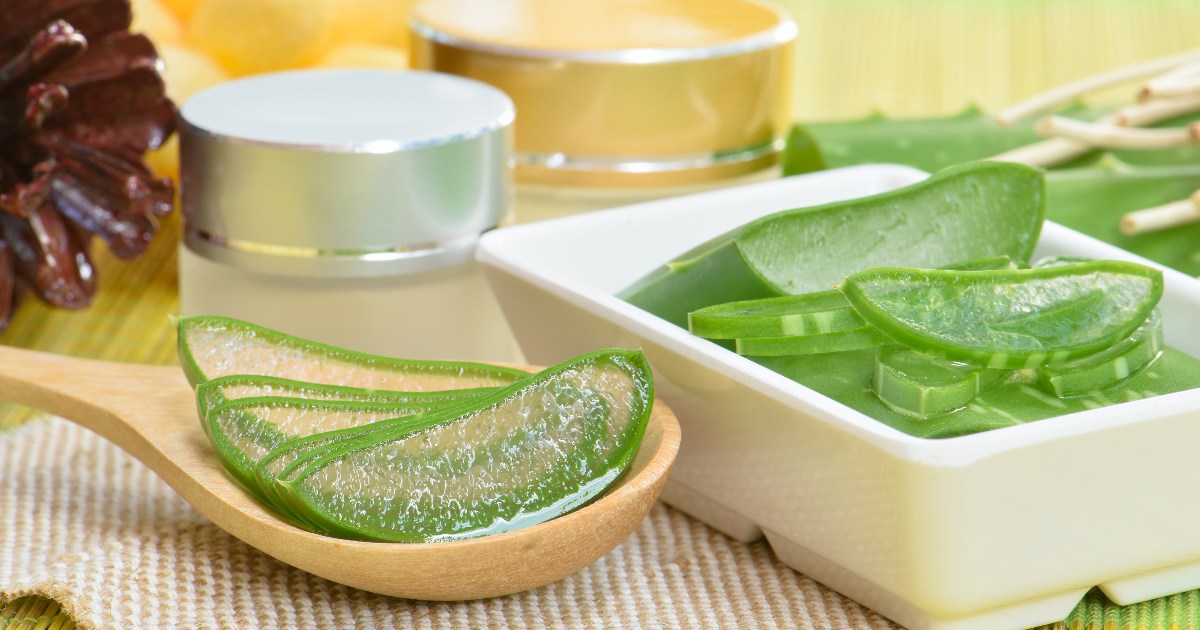
1. Aloe Vera
Aloe vera is one of the most popular natural skincare ingredients.
Its lightweight gel absorbs quickly and provides hydration without leaving the skin feeling greasy.
Benefits
- Leaves skin feeling refreshed
- Provides lightweight hydration
- Helps maintain the skin barrier
- Suitable for many oily skin types
How to Use
Apply a thin layer of pure aloe vera gel to clean skin and leave it on for 15–20 minutes or use it as a lightweight nighttime moisturizer if your skin tolerates it well.
2. Oatmeal Face Masks
Finely ground oatmeal gently cleanses the skin while absorbing some excess surface oil.
Unlike harsh scrubs, oatmeal is generally gentle and comfortable to use.
DIY Oatmeal Mask
Ingredients:
- 2 tablespoons finely ground oatmeal
- 2 tablespoons lukewarm water
Mix into a paste, apply for 10–15 minutes, then rinse with lukewarm water.
Use once or twice a week.
3. Rice Water
Rice water has become increasingly popular in skincare because it feels refreshing and lightweight.
Many people use it as a facial rinse or toner.
How to Make Rice Water
- Soak half a cup of uncooked rice in two cups of water for about 30 minutes.
- Strain the liquid into a clean container.
- Refrigerate and use within two days.
Apply with clean hands or a cotton pad after cleansing.
4. Green Tea
Green tea is rich in antioxidants and is commonly included in skincare products for oily and acne-prone skin.
How to Use
Brew green tea, allow it to cool completely, and use it as a facial mist or toner.
Store it in the refrigerator and prepare fresh batches regularly.
5. Honey
Honey is a natural humectant, meaning it helps attract moisture to the skin.
It also leaves the skin feeling soft without adding heaviness.
Simple Honey Mask
Apply a thin layer of raw honey to clean skin.
Leave it on for 10–15 minutes before rinsing with lukewarm water.
Use once weekly.
6. Multani Mitti (Fuller’s Earth)
Multani mitti has been used in traditional skincare for generations.
It is known for absorbing excess oil from the skin’s surface.
How to Use
Mix one tablespoon of Multani mitti with enough water or rose water to create a smooth paste.
Apply for 10–15 minutes.
Rinse before it becomes overly dry.
Limit use to once a week if your skin is sensitive.
7. Kaolin Clay
Kaolin clay is gentler than many other clays.
It can help remove surface oil without leaving the skin feeling excessively dry.
It works well as a weekly mask for oily skin.
8. Cucumber
Cucumber contains a high amount of water and provides a cooling sensation.
Easy Method
Blend cucumber into a smooth paste.
Apply it for 15 minutes.
Rinse thoroughly.
This is especially refreshing during hot weather.
9. Rose Water
Pure rose water can leave the skin feeling refreshed and hydrated.
Many people use it after cleansing as part of their skincare routine.
Choose alcohol-free rose water whenever possible.
10. Yogurt
Plain, unsweetened yogurt contains lactic acid, which gently exfoliates the skin.
DIY Mask
Mix one tablespoon of plain yogurt with one teaspoon of oatmeal.
Apply for 10 minutes before rinsing.
Use once weekly.
Healthy Habits That Support Natural Oil Control
Natural remedies work best when combined with healthy daily habits.
Wash Your Face Twice Daily
Morning and evening cleansing is enough for most people.
Avoid washing too frequently.
Moisturize Every Day
Oily skin still needs hydration.
Choose:
- Oil-free moisturizer
- Gel moisturizer
- Lightweight lotion
Wear Sunscreen
Protect your skin every day with a broad-spectrum sunscreen of SPF 30 or higher.
Lightweight gel formulas are often a good choice for oily skin.
Stay Hydrated
Drinking enough water supports overall health and healthy skin function.
Eat a Balanced Diet
Include:
- Fruits
- Vegetables
- Whole grains
- Lean proteins
- Healthy fats
A nutritious diet supports overall skin health, although no specific food has been proven to eliminate oily skin.
Manage Stress
Stress may influence oil production in some individuals.
Activities such as walking, yoga, meditation, and regular exercise can support overall well-being.
Weekly Natural Skincare Routine
Monday
Morning and evening cleansing, moisturizer, sunscreen.
Wednesday
Apply an oatmeal face mask.
Friday
Use rice water after cleansing.
Sunday
Use a clay mask or aloe vera treatment.
Keep the rest of your routine simple and consistent.
Common Mistakes to Avoid
Using Too Many Home Remedies
Introducing multiple DIY treatments at once can irritate the skin.
Start with one or two remedies and observe how your skin responds.
Over-Exfoliating
Exfoliating too often may weaken the skin barrier.
Once or twice a week is enough for most people.
Skipping Moisturizer
Hydrated skin is often easier to balance.
Expecting Instant Results
Natural skincare requires patience.
Many people notice gradual improvements after several weeks of consistent care.
Ignoring Patch Tests
Always test new ingredients on a small area of skin before applying them to your face.
When Should You See a Dermatologist?
Natural remedies are helpful for many people, but professional advice is important if you have:
- Severe acne
- Painful cysts
- Persistent irritation
- Frequent breakouts despite a consistent routine
- Allergic reactions to skincare products
A dermatologist can recommend treatments based on your individual skin concerns.
Final Thoughts
Natural remedies can be a valuable addition to an oily skincare routine when used correctly. Ingredients such as aloe vera, oatmeal, rice water, green tea, honey, cucumber, and clay masks may help reduce excess surface oil, refresh the skin, and support a healthy skin barrier.
The secret to healthier-looking skin isn’t using dozens of DIY treatments. Instead, focus on a simple routine with gentle cleansing, lightweight hydration, daily sun protection, and one or two natural remedies that suit your skin.
Remember that oily skin is not a flaw—it’s simply a skin type. With patience, consistency, and the right habits, you can keep excess shine under control while maintaining healthy, balanced skin.
Frequently Asked Questions
Which natural remedy is best for oily skin?
There isn’t one remedy that works for everyone. Aloe vera, oatmeal, green tea, rice water, and clay masks are among the most popular options.
Can natural remedies permanently reduce oily skin?
No. Natural remedies can help manage excess oil, but they cannot permanently change your skin type.
How often should I use DIY face masks?
Most homemade masks should be used once or twice a week to avoid over-treating the skin.
Is rice water good for oily skin?
Many people enjoy using rice water because it feels lightweight and refreshing. Results vary from person to person.
Should I moisturize after using a natural face mask?
Yes. Applying a lightweight, oil-free moisturizer helps support your skin barrier after cleansing or using a mask.
Leave a Reply