
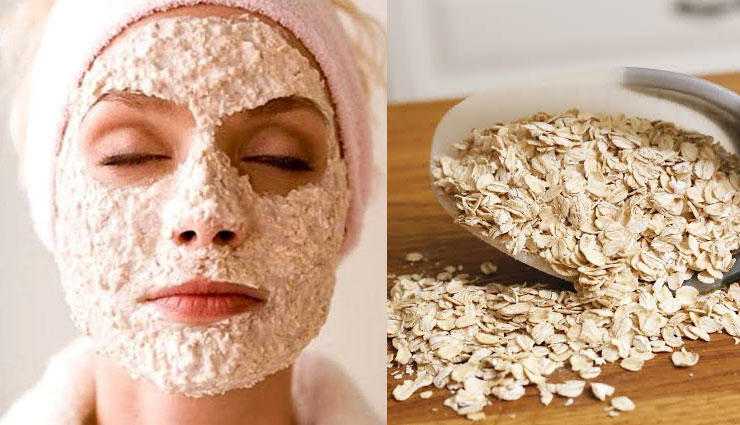
Oatmeal Face Masks and Rice Water for Oily Skin: Natural Remedies for a Healthier Complexion
If you have oily skin, you’ve probably searched for simple, affordable ways to reduce excess shine without relying on harsh skincare products. While there are many commercial products available, some natural ingredients have remained popular for generations because they’re gentle, easy to use, and suitable for many skincare routines.
Two of the most talked-about natural skincare ingredients are oatmeal and rice water. Oatmeal is well known for its soothing properties, while rice water has become a favorite in beauty routines inspired by traditional East Asian skincare practices.
Although these ingredients aren’t miracle cures for oily skin or acne, they can complement a consistent skincare routine when used correctly. This guide explains how oatmeal face masks and rice water may benefit oily skin, how to use them safely, and how to include them in your weekly skincare routine.
Understanding Oily Skin
Oily skin develops when the sebaceous glands produce more sebum than your skin needs.
Sebum is important because it:
- Protects your skin barrier
- Prevents excessive dryness
- Keeps skin naturally moisturized
However, excess oil can contribute to:
- Shiny skin
- Enlarged pores
- Blackheads
- Whiteheads
- Acne breakouts
Managing oily skin isn’t about removing every drop of oil—it’s about maintaining balance.
- Why Natural Skincare Is Becoming More Popular
- What Makes Oatmeal Good for Oily Skin?
- Potential Benefits of Oatmeal Face Masks
- How to Make a Simple Oatmeal Face Mask
- How Often Should You Use an Oatmeal Mask?
- What Is Rice Water?
- Potential Benefits of Rice Water for Oily Skin
- How to Prepare Rice Water at Home
- How to Use Rice Water
- Oatmeal vs Rice Water for Oily Skin
- Weekly Routine Using Both Ingredients
- Lifestyle Tips for Managing Oily Skin Naturally
- Common Mistakes to Avoid
- When Should You See a Dermatologist?
- Final Thoughts
- Frequently Asked Questions
Why Natural Skincare Is Becoming More Popular
Many people are choosing natural skincare because it often uses simple ingredients that are easy to find and can fit into an overall skincare routine.
Benefits of Natural Ingredients
- Budget-friendly
- Easy to prepare
- Gentle when used correctly
- Can complement daily skincare
- Suitable for many skin types
Natural remedies should be viewed as supportive care rather than replacements for dermatologist-recommended treatments when treating persistent skin conditions.
What Makes Oatmeal Good for Oily Skin?
Oatmeal has long been used in skincare because of its soothing and skin-friendly properties.
Colloidal oatmeal, which is finely ground oatmeal, is commonly found in skincare products designed for dry, sensitive, or irritated skin.
For oily skin, oatmeal may help absorb some surface oil while leaving the skin feeling soft and comfortable.
Potential Benefits of Oatmeal Face Masks
Helps Remove Surface Oil
Oatmeal can leave the skin feeling refreshed by absorbing some excess oil from the surface.
Gently Cleanses the Skin
Its soft texture provides mild exfoliation without the roughness of many physical scrubs.
Leaves Skin Feeling Comfortable
Many people enjoy oatmeal masks because they feel soothing after cleansing.
Supports a Healthy Skin Barrier
Healthy skin starts with protecting its natural barrier rather than stripping away natural oils.
How to Make a Simple Oatmeal Face Mask
Ingredients
- 2 tablespoons finely ground oatmeal
- 2–3 tablespoons lukewarm water
Optional additions:
- 1 teaspoon plain yogurt
- 1 teaspoon honey
- A few drops of aloe vera gel
Instructions
- Mix the oatmeal with water until it forms a smooth paste.
- Apply an even layer to clean skin.
- Leave it on for about 10–15 minutes.
- Rinse gently with lukewarm water.
- Pat your skin dry with a clean towel.
- Follow with a lightweight moisturizer.
How Often Should You Use an Oatmeal Mask?
For most people:
- Once or twice per week is sufficient.
- Avoid daily use unless advised by a skincare professional.
Using masks too often may irritate the skin.
What Is Rice Water?
Rice water is the liquid left behind after soaking or cooking rice.
It has been used in traditional beauty routines for centuries, particularly in Japan, Korea, and China.
Modern skincare products sometimes include rice-derived ingredients because of their moisturizing and antioxidant properties.
Potential Benefits of Rice Water for Oily Skin
While scientific research is still developing, many people enjoy using rice water as part of their skincare routine.
Refreshes the Skin
Rice water can leave the skin feeling clean and refreshed.
Provides Lightweight Hydration
Unlike heavy creams, rice water feels light on the skin.
Supports Skin Softness
Many people report smoother-feeling skin after regular use.
May Improve the Appearance of Skin
Rice water is often included in beauty routines focused on achieving a brighter-looking complexion.
Results vary from person to person.
How to Prepare Rice Water at Home
Ingredients
- ½ cup uncooked rice
- 2 cups clean water
Method
- Rinse the rice to remove dust.
- Place it in a bowl with fresh water.
- Let it soak for about 30 minutes.
- Stir gently.
- Strain the liquid into a clean container.
- Store it in the refrigerator for up to two days.
Always prepare fresh batches regularly.
How to Use Rice Water
As a Facial Rinse
After cleansing, gently splash rice water onto your face.
Allow it to dry naturally before applying moisturizer.
As a Toner
Apply with a cotton pad or clean hands.
Follow with serum and moisturizer.
As a Face Mist
Transfer chilled rice water into a clean spray bottle for a refreshing facial mist.
Use within a short storage period and discard if it changes smell or appearance.
Oatmeal vs Rice Water for Oily Skin
| Feature | Oatmeal Face Mask | Rice Water |
|---|---|---|
| Removes surface oil | ✔️ | Mildly |
| Gentle cleansing | ✔️ | ❌ |
| Lightweight hydration | Moderate | ✔️ |
| Weekly treatment | ✔️ | ❌ |
| Daily use | No | Occasionally |
| Soothing feel | ✔️ | ✔️ |
Both can work well together as part of a balanced skincare routine.
Weekly Routine Using Both Ingredients
Monday
Regular skincare routine.
Wednesday
Apply an oatmeal face mask.
Friday
Use rice water after cleansing.
Sunday
Repeat the oatmeal mask if your skin tolerates it well.
Remember to moisturize after each treatment.
Lifestyle Tips for Managing Oily Skin Naturally
Natural ingredients work best when combined with healthy daily habits.
Drink Enough Water
Hydration supports overall skin health.
Wash Your Face Twice Daily
Avoid over-cleansing.
Wear Sunscreen Every Day
Choose a lightweight SPF 30 or higher.
Eat a Balanced Diet
Include fruits, vegetables, lean proteins, and whole grains.
Avoid Picking Pimples
This may increase irritation and the risk of marks.
Common Mistakes to Avoid
Using Homemade Masks Too Often
More isn’t always better.
Applying Masks to Dirty Skin
Always cleanse first.
Skipping Moisturizer
Hydration remains important, even for oily skin.
Expecting Overnight Results
Natural skincare works gradually.
Consistency matters more than quick fixes.
Ignoring Patch Testing
Always test new ingredients on a small area of skin before applying them to your face.
When Should You See a Dermatologist?
Home remedies can support your skincare routine, but they aren’t a substitute for medical treatment.
Seek professional advice if you have:
- Severe acne
- Painful cysts
- Persistent redness
- Allergic reactions
- Skin conditions that don’t improve
A dermatologist can recommend treatments suited to your skin.
Final Thoughts
Oatmeal face masks and rice water are simple, affordable additions to an oily skin routine. Oatmeal offers gentle cleansing and a soothing feel, while rice water provides lightweight hydration and can leave the skin feeling refreshed.
Although these natural remedies may help improve the appearance and comfort of oily skin, they work best alongside a consistent skincare routine that includes gentle cleansing, moisturizing, and daily sun protection.
Healthy skin isn’t achieved through one ingredient alone. It’s the result of regular care, patience, and choosing products and habits that support your skin’s natural balance.
Frequently Asked Questions
Can I use oatmeal on oily skin every day?
It’s generally better to use an oatmeal face mask once or twice a week unless advised otherwise by a skincare professional.
Is rice water suitable for oily skin?
Many people with oily skin enjoy using rice water because it feels lightweight and refreshing, although results vary.
Can oatmeal and rice water help with acne?
They are not acne treatments, but they may complement a gentle skincare routine. Persistent acne should be assessed by a dermatologist.
Should I moisturize after using an oatmeal mask?
Yes. Applying a lightweight moisturizer helps maintain hydration.
How long does it take to notice results?
Natural skincare routines usually require consistent use over several weeks, and results vary from person to person.
Leave a Reply