
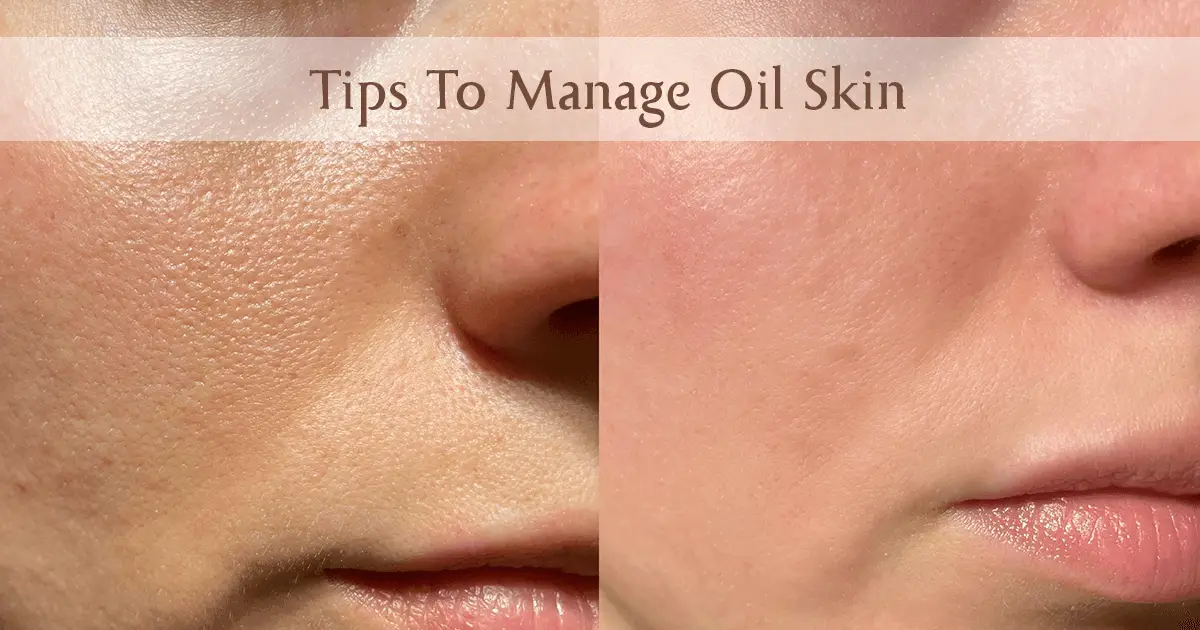
How to Reduce Oily Skin Naturally: Simple Tips for Healthier, Balanced Skin
Oily skin is one of the most common skin concerns, affecting people of all ages. While your skin naturally produces oil (called sebum) to keep itself moisturized and protected, too much oil can leave your face looking shiny, clog pores, and increase the chances of blackheads and breakouts.
Many people try harsh cleansers or products that completely strip away oil, hoping for quick results. However, this often has the opposite effect. When your skin becomes too dry, it may produce even more oil to compensate.
The good news is that you can naturally manage oily skin by following healthy skincare habits, choosing gentle ingredients, and making small lifestyle changes. The goal isn’t to eliminate oil completely—it’s to help your skin maintain a healthy balance.
In this guide, you’ll discover practical, science-based ways to reduce oily skin naturally while keeping your complexion healthy and refreshed.
Why Does Skin Become Oily?
Before learning how to reduce oily skin, it’s helpful to understand why it happens.
Your skin contains tiny sebaceous glands that produce sebum. Sebum protects your skin, prevents moisture loss, and supports the skin’s natural barrier.
However, several factors can cause these glands to produce excess oil.
- Common Causes
- Can You Naturally Reduce Oily Skin?
- 1. Cleanse Your Face Gently Twice a Day
- 2. Use Lukewarm Water Instead of Hot Water
- 3. Never Skip Moisturizer
- 4. Apply Sunscreen Every Day
- 5. Use Clay Masks Once or Twice a Week
- 6. Exfoliate Gently
- 7. Choose Skincare Products With Helpful Ingredients
- 8. Blot Excess Oil Instead of Washing Again
- 9. Keep Your Hands Away From Your Face
- 10. Clean Your Pillowcases and Towels Regularly
- 11. Stay Hydrated
- 12. Eat a Balanced Diet
- 13. Manage Stress
- 14. Get Enough Sleep
- 15. Avoid Heavy Makeup Products
- Natural Home Remedies for Oily Skin
- Daily Habits That Support Healthy Skin
- Common Mistakes That Can Make Oily Skin Worse
- When Should You See a Dermatologist?
- Final Thoughts
- Frequently Asked Questions
Common Causes
- Genetics
- Hormonal changes
- Hot and humid weather
- Stress
- Overwashing
- Using harsh skincare products
- Poor skincare habits
Understanding the cause helps you choose the right solution.
Can You Naturally Reduce Oily Skin?
Yes—but it’s important to have realistic expectations.
You cannot permanently change your skin type if it’s naturally oily. However, you can reduce excess shine, improve your skin’s balance, and lower the chances of clogged pores by adopting healthy skincare habits.
Consistency is more effective than looking for overnight results.
1. Cleanse Your Face Gently Twice a Day
One of the simplest ways to control excess oil is by cleansing regularly.
Wash your face:
- Every morning
- Before bed
- After heavy sweating
Choose a gentle cleanser designed for oily or combination skin.
Avoid washing your face multiple times throughout the day, as excessive cleansing may disrupt your skin barrier and encourage more oil production.
2. Use Lukewarm Water Instead of Hot Water
Hot water may remove too much of your skin’s natural oil.
Lukewarm water cleanses effectively without irritating your skin.
This small change can make your skincare routine gentler.
3. Never Skip Moisturizer
Many people believe oily skin doesn’t need moisturizer.
In reality, dehydrated skin may produce more oil in an attempt to compensate.
Choose
- Oil-free moisturizer
- Gel-based moisturizer
- Lightweight lotion
- Non-comedogenic products
Hydrated skin often looks healthier and more balanced.
4. Apply Sunscreen Every Day
Sun exposure can damage your skin and weaken its protective barrier.
Choose a sunscreen that is:
- SPF 30 or higher
- Broad-spectrum
- Oil-free
- Non-comedogenic
- Lightweight
Many modern sunscreens leave a matte finish that suits oily skin.
5. Use Clay Masks Once or Twice a Week
Clay masks can temporarily absorb excess oil from the skin’s surface.
Popular options include:
Kaolin Clay
Gentle enough for many skin types.
Bentonite Clay
Often chosen by people with oily or acne-prone skin.
Use clay masks only once or twice a week, as excessive use may dry out the skin.
6. Exfoliate Gently
Dead skin cells can mix with oil and clog pores.
Gentle exfoliation helps remove surface buildup.
Choose mild chemical exfoliants or soft exfoliating products rather than harsh scrubs.
For many people, exfoliating once or twice a week is sufficient.
7. Choose Skincare Products With Helpful Ingredients
Certain ingredients are commonly used in products formulated for oily skin.
Niacinamide
Supports the skin barrier and can improve the appearance of enlarged pores.
Salicylic Acid
Helps unclog pores and remove excess oil.
Green Tea Extract
Provides antioxidant benefits and feels soothing on the skin.
Zinc PCA
Often included in products designed to reduce excess shine.
Hyaluronic Acid
Hydrates the skin without feeling heavy or greasy.
8. Blot Excess Oil Instead of Washing Again
If your face becomes shiny during the day, avoid washing it repeatedly.
Instead, use oil-absorbing blotting papers.
These remove excess surface oil without disturbing your skincare routine.
9. Keep Your Hands Away From Your Face
Touching your face frequently transfers dirt, oil, and bacteria from your hands.
This may contribute to clogged pores and breakouts.
Be mindful of this habit throughout the day.
10. Clean Your Pillowcases and Towels Regularly
Oil, sweat, and skincare products collect on fabrics over time.
Replace or Wash
- Pillowcases every few days
- Face towels frequently
- Makeup brushes regularly
Clean fabrics help reduce the buildup of oil and residue against your skin.
11. Stay Hydrated
Drinking enough water supports overall health.
Although water alone won’t stop oily skin, staying hydrated contributes to healthy skin function.
Aim to drink water regularly throughout the day.
12. Eat a Balanced Diet
No single food has been proven to eliminate oily skin.
However, eating a balanced diet rich in:
- Fruits
- Vegetables
- Whole grains
- Healthy fats
- Lean proteins
supports overall skin health.
If you notice that certain foods seem to affect your skin, keep a food diary and discuss persistent concerns with a healthcare professional.
13. Manage Stress
Stress can influence hormone levels, which may affect oil production in some people.
Healthy ways to manage stress include:
- Walking
- Yoga
- Meditation
- Reading
- Deep breathing
- Regular exercise
Looking after your mental well-being benefits your skin too.
14. Get Enough Sleep
Your skin naturally repairs itself while you sleep.
Aim for 7–9 hours of quality sleep each night whenever possible.
A consistent sleep schedule supports overall skin health.
15. Avoid Heavy Makeup Products
Heavy makeup may feel uncomfortable on oily skin.
Choose products labeled:
- Oil-free
- Non-comedogenic
- Lightweight
- Matte finish
Always remove makeup before going to bed.
Natural Home Remedies for Oily Skin
While home remedies won’t change your skin type, some people enjoy using simple, gentle ingredients alongside a regular skincare routine.
Aloe Vera Gel
May provide lightweight hydration and a soothing feeling.
Green Tea
Some skincare products contain green tea extract because of its antioxidant properties.
Oatmeal Mask
Finely ground oatmeal mixed with water may help cleanse and soothe the skin.
Honey
Honey has natural moisturizing properties and is used in many DIY face masks.
Always patch-test homemade treatments before applying them to your face.
Daily Habits That Support Healthy Skin
Small habits often make a bigger difference than expensive products.
Healthy Habits
- Wash your face twice daily
- Wear sunscreen every day
- Moisturize regularly
- Clean makeup brushes
- Remove makeup before bed
- Avoid picking at blemishes
- Stay consistent with your routine
Common Mistakes That Can Make Oily Skin Worse
Washing Too Frequently
Over-cleansing may irritate the skin.
Using Harsh Alcohol-Based Products
These can leave skin feeling dry and uncomfortable.
Skipping Moisturizer
Hydration is important for every skin type.
Trying Too Many Products at Once
Introduce new products gradually.
Expecting Immediate Results
Healthy skin improves over time with consistent care.
When Should You See a Dermatologist?
Consider seeking professional advice if you experience:
- Persistent acne
- Painful cysts
- Severe irritation
- Excessive oil despite a consistent routine
- Concerns about prescription treatments
A dermatologist can recommend treatments suited to your individual needs.
Final Thoughts
Reducing oily skin naturally isn’t about removing every trace of oil—it’s about helping your skin stay balanced and healthy. Gentle cleansing, lightweight hydration, daily sun protection, and simple lifestyle habits can make a noticeable difference over time.
Remember that oily skin also has benefits. Natural oils help protect your skin and may keep it looking youthful for longer. Instead of fighting your skin, work with it by choosing products and habits that support its natural balance.
With patience and consistency, you can enjoy healthier-looking skin with less shine and fewer clogged pores.
Frequently Asked Questions
Can oily skin be cured permanently?
No. Your natural skin type is largely determined by genetics, but you can successfully manage excess oil with a consistent skincare routine.
Does drinking more water reduce oily skin?
Staying hydrated supports overall skin health, but it won’t directly stop your skin from producing oil.
Should I moisturize oily skin?
Yes. A lightweight, oil-free moisturizer helps keep the skin hydrated without adding heaviness.
How often should I use a clay mask?
For most people, once or twice a week is enough. Using clay masks too frequently may dry out the skin.
What is the best natural way to reduce oily skin?
A combination of gentle cleansing, proper hydration, sun protection, stress management, and a consistent skincare routine is the most effective long-term approach.
Leave a Reply